
Enhancing Industrial Processes with Ethanol Solvent Recovery
From pharmaceutical manufacturing to food processing, many industrial processes heavily rely on solvent-based extraction methods to isolate valuable compounds efficiently. Methods such as ethanol solvent extraction, hexane extraction, and supercritical CO₂ extraction are widely used due to their high yield and selectivity. However, these processes often rely on single-use solvents, generating significant volumes of chemical waste. This presents substantial environmental and economic challenges, making solvent recovery systems (e.g., ethanol solvent recovery, hexane solvent recovery, and more) an essential strategy for enhancing sustainability, reducing operational costs, and minimizing solvent loss across industrial applications. By recycling, reclaiming, and reusing ethanol and other solvents that are utilized for extraction processes, recovery systems not only substantially reduce hazardous waste and the associated disposal costs, but they also improve process efficiency.
What is Ethanol Solvent Extraction?
Ethanol solvent extraction is a widely used technique for isolating targeted compounds from raw materials. In this process, the plant feedstock is immersed in ethanol solvent for extraction, which interacts with the cellular structure and dissolves desired constituents, such as oils, flavors, or bioactive molecules. The solvent is then removed, typically through controlled evaporation, to produce a concentrated extract. This method is favored in the food and beverage, pharmaceutical, cosmetics, and botanical extraction sectors due to its efficiency, scalability, and the regulatory acceptance of ethanol as safe for consumption.
Why is Ethanol a Good Solvent for Extraction?
Ethanol offers several advantages, making it an ideal solvent for industrial extraction processes:
Versatile Solubility: It effectively dissolves a wide range of compounds, including oils, phenolics, and bioactives.
Moderate Polarity: Enables selective extraction while minimizing unwanted substances.
Safe and Compliant: Food-grade, non-toxic, and widely accepted by regulatory authorities.
Easy Recovery: Its properties allow simple concentration and recycling, reducing waste.
Environmentally Friendly: Biodegradable and less harmful than many alternative solvents.
Hence, ethanol is used as a solvent for extraction in industries that require safe, efficient, and scalable processes.
What is Ethanol Solvent Recovery?
Particular solvents, such as ethanol, exhibit excellent solubility for various organic compounds, such as hydrocarbons, making them ideal for extraction processes in industries of pharmaceutical, fine chemicals, bioenergy, and more. However, these solvents are traditionally used once and then disposed of as waste, often through incineration, with research showing that only less than 50% of solvents are being recovered. This leads to critical environmental repercussions. Thus, solvent recovery systems, such as distillation or membrane-based filtration, play a vital role, helping recycle, reclaim, and reuse solvents through various processes.
In the distillation process, when the solvent’s boiling point is reached, it begins to evaporate. The vapor then travels through a condenser, where it cools and returns to liquid form. The condensed liquid, then, exits the system as a clean, reusable solvent. In a membrane setup, the same solvent reclamation can be achieved using membranes, whereby specialized membranes are used to selectively separate solvents like ethanol from other substances based on molecular size and other chemical properties.
The Importance of Ethanol Solvent Recovery

Ethanol solvent recovery has become crucial to modern extraction and manufacturing processes. As ethanol is a widely employed solvent for the separation and isolation of high-value compounds, its efficient recovery and reuse are essential for minimizing waste, lowering costs, and improving overall efficiency of various processes. Here is why this practice is becoming increasingly vital:
1. Mitigates Environmental Degradation
Ethanol solvent recovery greatly reduces the environmental footprint of solvent-intensive industries. By minimizing the volume of solvent waste, recovery systems lower the risk of soil and water contamination, reduce pressure on waste management infrastructure, and decrease the demand for fresh solvents, conserving resources and cutting the need for energy-intensive production. In addition, solvent recycling limits the release of volatile organic compounds (VOCs) and other pollutants, helping prevent emissions that can harm air quality and public health.
2. Reduces Production Costs
In addition to its environmental advantages, ethanol solvent recovery represents a strategic approach to cost reduction and economic sustainability. By reducing the need for fresh solvents, organizations lower operational expenses and reduce reliance on finite resources. This approach enhances efficient use of resources and supports sustainable production practices, contributing to long-term operational stability. Furthermore, reduced solvent waste translates into lower costs for waste treatment, transportation, and regulatory compliance.
3. Improves Process Efficiency
Recovering solvents enhances manufacturing efficiency by enabling continuous solvent reuse in large-scale operations where a certain solvent, such as ethanol is used as solvent for extraction. This reduces downtime caused by solvent replenishment and disposal, streamlining production and maximizing operational output. As a result, industries can extract more value from raw materials, boosting productivity and profitability.,
4. Drives Innovation
Implementing solvent recovery systems encourages innovation by prompting the development and adoption of more efficient, sustainable processes. Businesses can explore advanced recovery technologies, optimize production workflows, and integrate greener practices across operations. This focus on continuous improvement not only enhances performance but also enables a culture of innovation, positioning companies to respond proactively to evolving regulatory requirements and market demands.
How GreenMem® Transforms Industrial Solvent Recovery
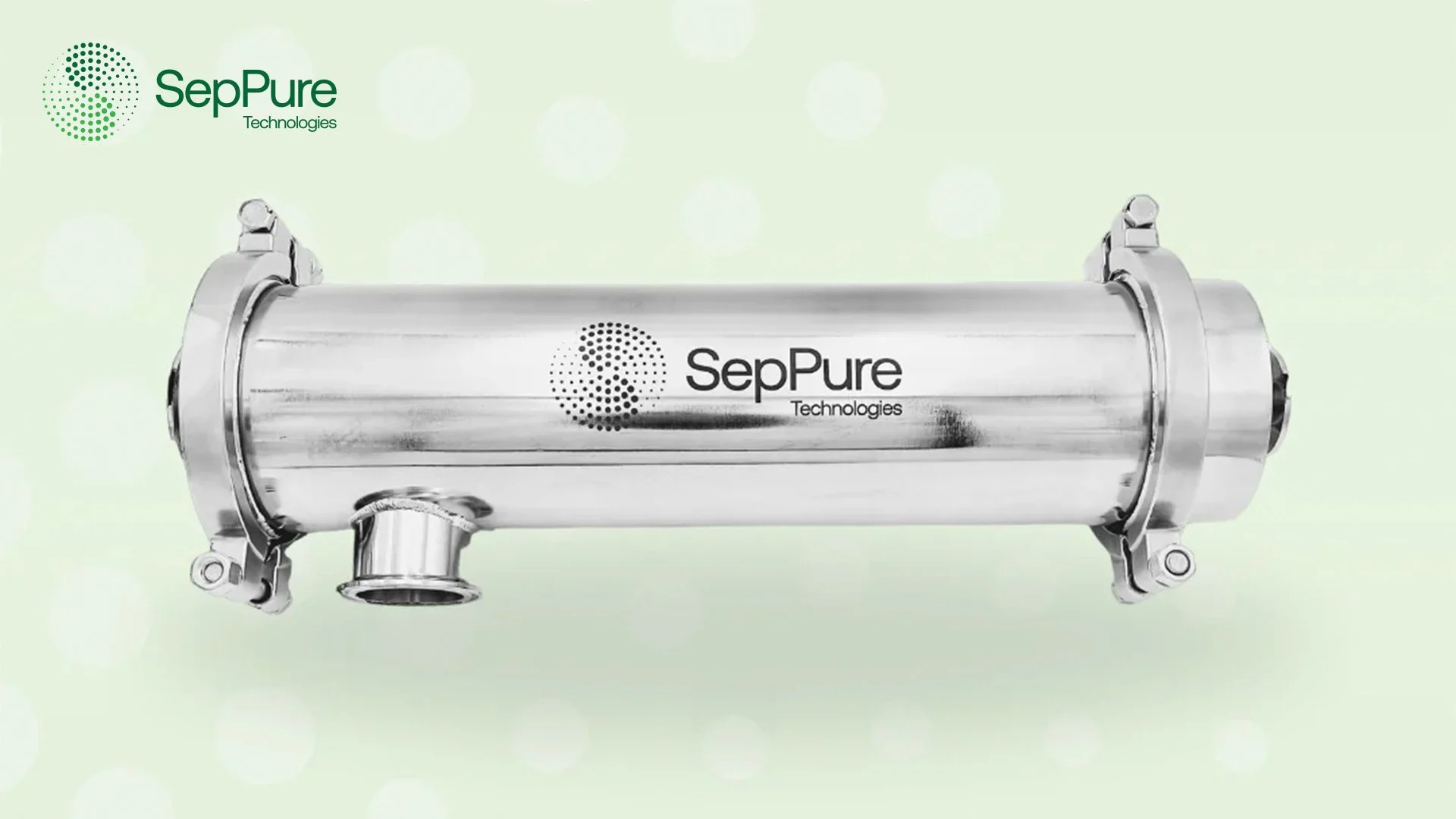
Innovations in membrane-based solvent recovery equipment hold promise for enhancing separation efficiency and minimizing energy consumption. Unlike conventional methods like distillation and evaporation processes, which require substantial energy input, advanced membrane technologies are pressure-driven or operate at lower energy levels, further reducing the environmental footprint of solvent recovery processes. Moreover, these membranes can recover over 90% of spent solvents, achieving exceptionally high rates of solvent reclamation and reducing purchase and disposal costs.
Our membrane-based solvent recovery system, RE(SOLV)®, powered by GreenMem®, transforms sustainable industrial solvent recovery from a long-term aspiration into an achievable reality. This energy-efficient solution enables manufacturers to improve environmental efficiency while reducing operating costs. As industries shift away from traditional, inefficient processes and move toward more streamlined, cost-effective methods that support circular-economy principles, solvent recovery systems (e.g., ethanol solvent recovery, hexane solvent recovery, and more) have become essential. They play a crucial role in building greener, more resilient operations that benefit both businesses and the planet.
Say no to single-use solvents and reach out to us today.
Frequently Asked Questions (FAQs) About Solvent Recovery Systems
-
Ethanol is widely used as an extraction solvent, because it is safe, efficient, and capable of dissolving a broad range of polar and non-polar compounds. Its low toxicity, food-grade approvals, and relatively low boiling point make it ideal for pharmaceutical, food, and botanical processing.
-
Ethanol recovery can be tailored to operations of any size. Small producers commonly use compact batch-distillation units to reduce waste and reclaim solvent. Larger facilities typically use continuous-distillation systems for higher throughput.
-
Distillation heavily relies on heat to vaporize and recondense ethanol, making it energy-intensive. Membrane technologies typically use a pressure-driven approach, eliminating the need for heat and thereby making the process energy-efficient. Membrane-based solvent recovery is particularly game-changing for temperature-sensitive extracts.